Sarbani Chaudhury Memorial Lectures
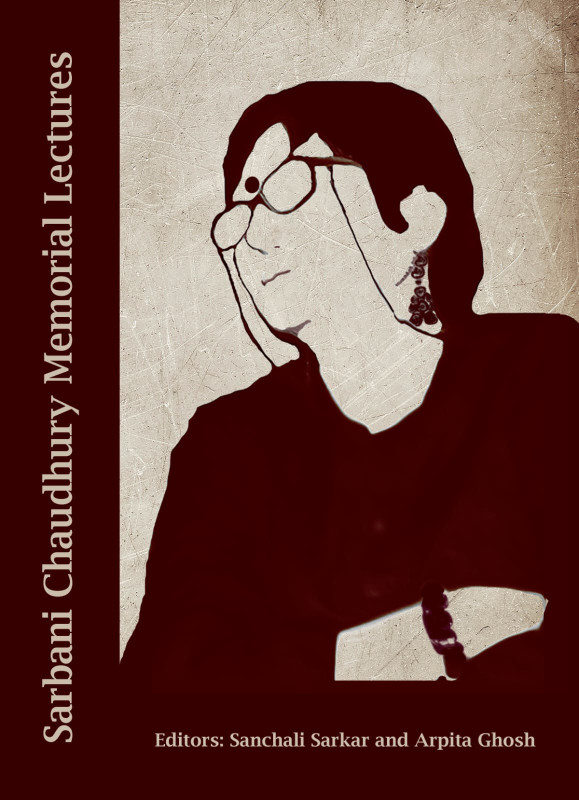
Sarbani Chaudhury Memorial Lectures
Editors : Sanchali Sarkar and Arpita Ghosh
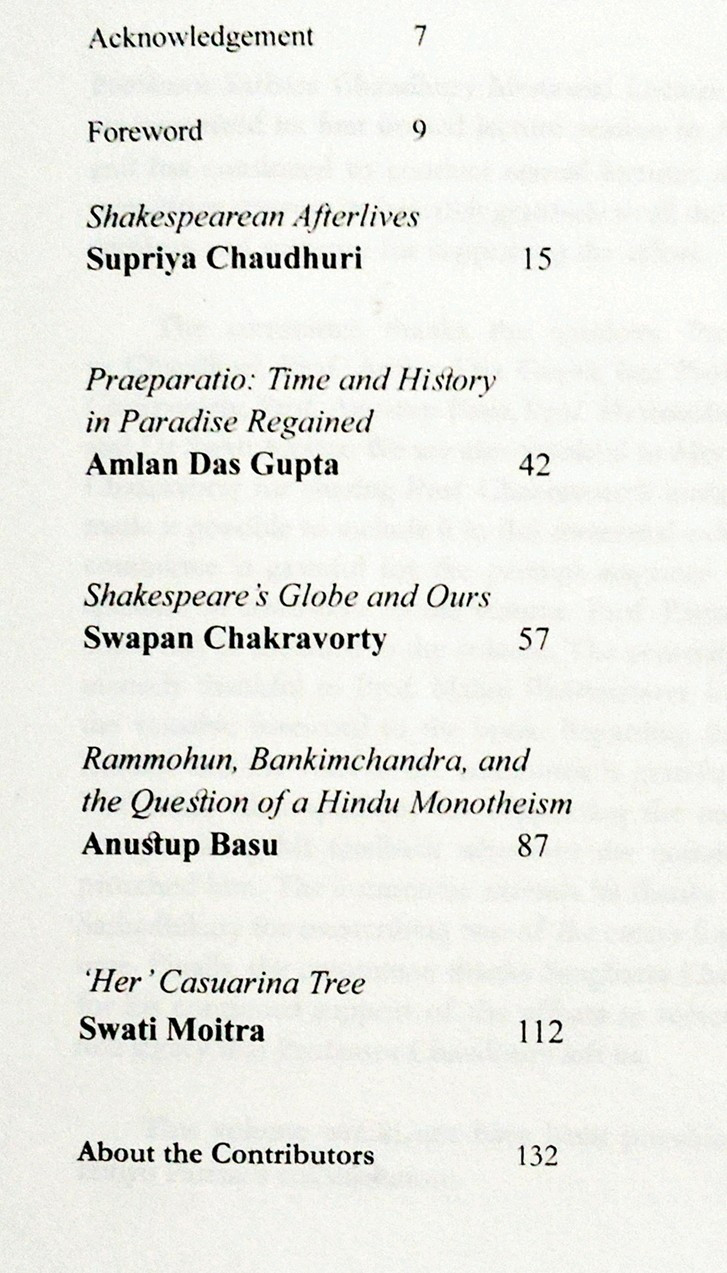
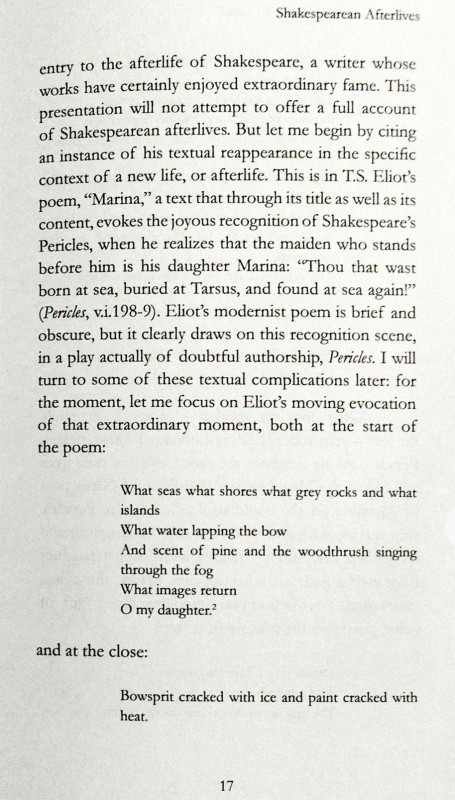
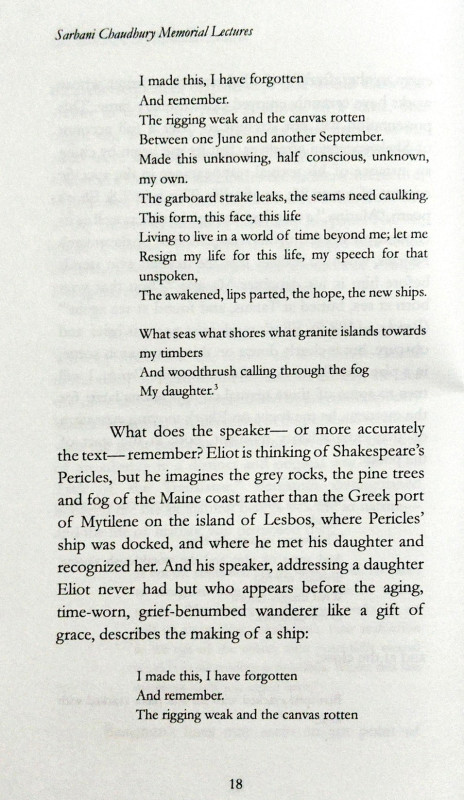
Shakespearean Afterlives ---
Supriya Chaudhuri
It was the art historian Aby Warburg who first applied the term "afterlife," or Nachleben, to the survival, reappearance, or reanimation of ideas and images, especially from classical European antiquity, in other places and times. At the time of his death in 1929, Warburg had been working on an immense project of cultural history, the Mnemosyne Atlas, or memory map, through which he hoped to trace the bewegtes leben, or "life in motion," of such images as they migrated through space and time. The Atlas was conceived as a set of panels (approx. 150 x 200 cm each, a total of sixty-three at the time of Warburg's death) made of wooden board covered with black cloth, on which Warburg arranged and re-arranged black-and-white photographs of his chosen images, together with other material like maps and manuscripts, numbered and ordered so as to create

-
 ₹495.00
₹550.00 -
₹465.00
₹500.00 -
₹523.00
₹550.00 -
₹579.00
₹650.00 -
₹376.00
₹400.00 -
₹200.00



সংশ্লিষ্ট বই
বই সংক্রান্ত জিজ্ঞাসা (0)
প্রবেশ করুন বা রেজিস্টার করুনআপনার প্রশ্ন পাঠানোর জন্য
অন্যান্য প্রশ্নাবলী
কেউ এখনো কোন প্রশ্ন জিজ্ঞাসা করেননি
-
₹495.00
₹550.00 -
₹465.00
₹500.00 -
₹523.00
₹550.00 -
₹579.00
₹650.00 -
₹376.00
₹400.00 -
₹200.00